Downbeat retail sales report impacts Aussie

Amid growing concerns about the Delta Cove variance in the Asia-Pack region, Australia and Indonesia have been badly affected and despite the Aussie fall, the Aussie pair have been suspended since yesterday and downbeat Aussie retail sales report.

Preliminary estimates of Australian retail sales for June fell to -0.5% and -0.1% for previous readings, -1.8% MoM. The previous day, Australia’s Westpac lead index for June was down -0.07%, down -0.06% from MoM. Not only the latest data, but also the negatives for the Aussie economy, mainly due to the Delta covid variant, weigh AUD / USD prices.

Sydney, Australia’s largest city, has reported 40% of Covid cases in the past 24 hours, with Victoria’s daily case number rising from 22 from 13 seen on Tuesday. The two most populous states in the country are under renewed locking restrictions, thanks to the rapid spread of this variation. Amid global growth concerns and fears of further warming in inflation, demand for the US dollar is reviving in Asia, putting further downward pressure on the Aussie.

Moreover, ongoing US-Sino tensions are also deterring Aussie bulls. In recent headlines, the US Undersecretary of State said the United States would continue to engage with Chinese officials. It comes a day after the United States, Europe, Japan and others accused Monday of a “malicious cyber-activism method” linking Beijing to an attack on Microsoft Exchange email servers discovered in March. It is worth noting that optimism surrounding US President Joe Biden’s infrastructure spending bill and strong Q2 earnings season could be cited as the main catalyst for the recent alarming mood.

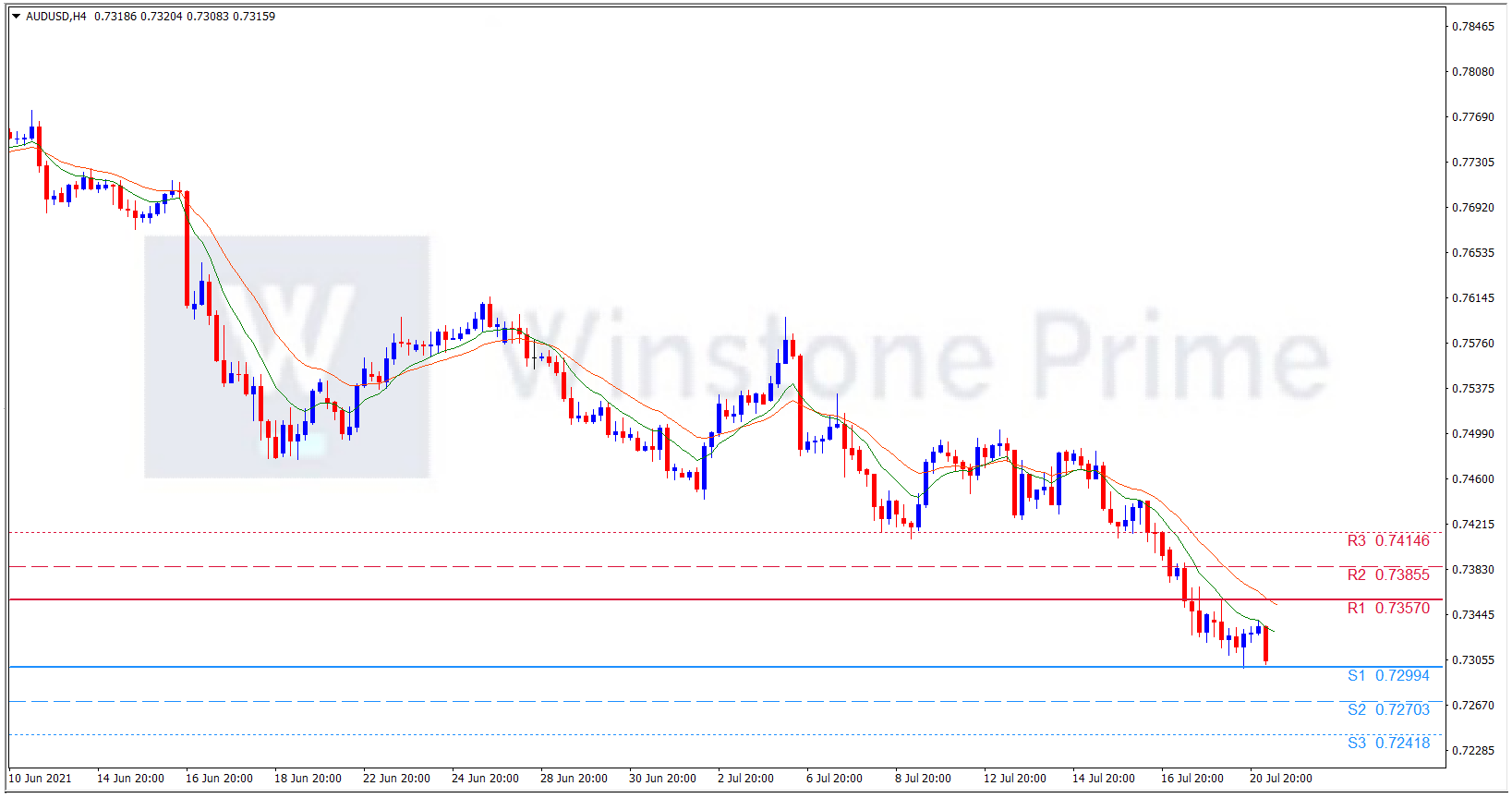
AUD/USD 4 Hour Chart:

Support: 0.7299 (S1), 0.7270 (S2), 0.7242 (S3).

Resistance: 0.7357 (R1), 0.7386 (R2), 0.7415 (R3).

Amidst this the Australia lockdown restrictions and Aussie downbeat retail sales report puts pressure on Aussie pair. We expect bearish trend for AUD/USD.

How Cryptocurrencies Are Taxed

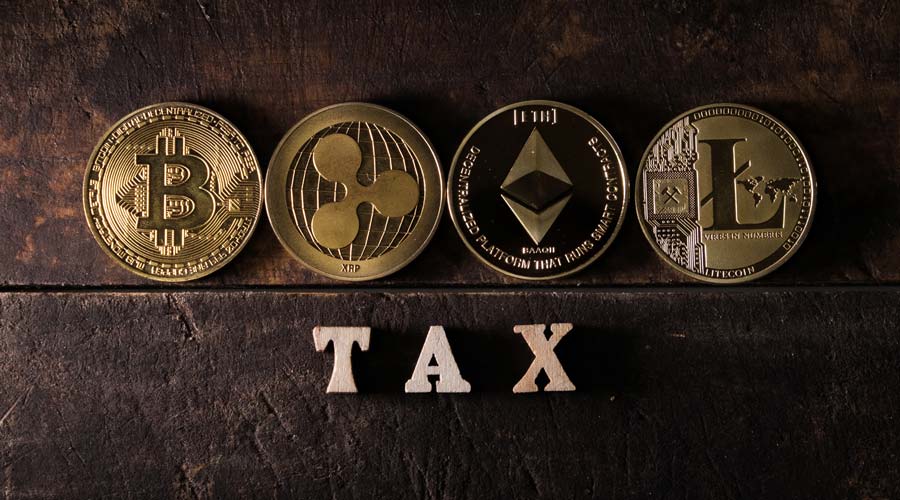
The whole world is watching Bitcoin and rest cryptocurrency market peak everyday it reaches new heights. Many crypto startups have emerged in the space during this pandemic to cater to the ever-increasing demand for Bitcoin and alike cryptocurrencies. The Internal Revenue Service (IRS) is also overseeing the values day by day.

Do you own any cryptocurrency? Maybe you bought Bitcoin years ago when it was priced at $250 and decided to take some big profits in 2021. Or perhaps you joined the revolution late and bought some Ethereum, only to turn around and sell it off for a quick buck. Either way, you may owe taxes on your 2021 crypto transactions, and you need to understand how it impacts your tax bill.

In this article we will look into the chapter how cryptocurrencies are taxed if you are own it or you are going to own it.

Bitcoin and Taxes

Although initially announced anonymously, today the lion’s share of bitcoin transactions is obvious. Governments in the past have noticed the growth of black market trade using bitcoin. Transactions now impose anti-fraud requirements on bitcoin traders to avoid attracting the wrath of regulators.

The biggest change for Bitcoin traders is taxes.

Regulators, central bankers and federal judges all have different opinions on how to classify bitcoin, whether it is a currency or a commodity and they all agree that it should be taxed. Most major countries similarly tax cryptocurrencies.

So, what does this mean for traders?

The first thing to know is that nothing matters until it comes into law. There is always speculation about what will happen based on what some financial regulators say, but no individual can redefine a property or change the tax code unilaterally, and the IRS has changed little since it first addressed cryptocurrencies in 2014.

In the United States, the IRS Declaration 2014-21 defines virtual currencies as assets. This means that anything purchased using digital currency should be taxed as short or long term capital gains depending on how long the property has been in existence.

For example, if you buy a cup of coffee using Bitcoin you bought when you were worth b 1,000, you should also calculate the price of Bitcoin at the time of coffee purchase. If you were trading Bitcoin for $ 200,200 when you bought coffee, you bought a good one worth of good with another property that is worth more in dollars than it is now. That means the amount of bitcoin you spend on coffee will be taxed according to the capital gains rules.

Cryptocurrency brokers are not required to provide customers with 1099 forms, merchants are required to disclose everything to the IRS or face tax evasion fees. Taxable transactions are as follows:

  • Exchanging cryptocurrency for fiat money, or “cashing out”
  • Paying for goods or services, such as using Bitcoin to buy a cup of coffee
  • Exchanging one cryptocurrency for another cryptocurrency
  • Receiving mined or forked cryptocurrencies


The following are not taxable events according to the IRS:

  • Buying cryptocurrency with fiat money
  • Donating cryptocurrency to a tax-exempt non-profit or charity
  • Making a gift of cryptocurrency to a third party
  • Transferring cryptocurrency between wallets


IRS issues Guidelines 2014

Many people received notices on 2017 from the IRS to pay tax on their crypto holdings. This is something many did not expect, owing to the nature of crypto due to which many assumed it was a tax haven. On March 25, 2014, the IRS issued Notice 2014-21, which, for the first time, set forth the IRS position on the taxation of virtual currencies. According to the IRS Notice, “Virtual currency is treated as property for U.S. federal tax purposes.”  The notice further added, “General tax principles that apply to property transactions apply to transactions using virtual currency.” This was the first time IRS has released guidelines on crypto and afterward has been trying to force crypto users to pay up their taxes. In order to identify users of cryptocurrencies, the IRS usually targets exchanges.

This been created a lot of confusion between people. After that many things have happened. Other countries have tried to bring some kind of tax structure to crypto. This has resulted in chaos as most countries classify crypto differently. Some countries classify virtual currencies as currencies while others classify it as a commodity. This also means that these countries apply different taxes creating a compliance nightmare for companies involved in cross border trade. Compounding to the trouble is the fact that within countries itself, regulations are almost non-existent or vague. This has led to many demanding newer regulations in order to facilitate capital flow into the industry.

Recent IRS guidelines

The IRS considers exchanging cryptocurrency for fiat money, or “cashing out” taxable money. Also, paying for goods or services, such as using Bitcoin to buy a cup of coffee will attract tax contrary to popular belief. Exchanging one’s cryptocurrency for another cryptocurrency is also taxable, and finally, one has to pay tax for receiving mined or forked cryptocurrencies. The following are not taxable events according to the IRS: buying cryptocurrency with fiat money, donating cryptocurrency to a tax-exempt non-profit or charity, making a gift of cryptocurrency to a third party and transferring cryptocurrencies between wallets.

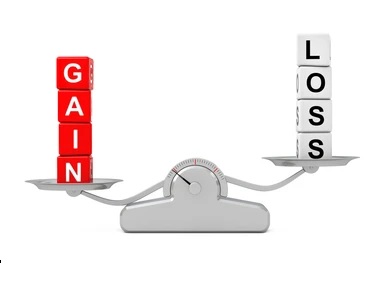
Capital Gains vs. Capital Losses

Here’s some good news for crypto taxes: You only owe taxes if you spend or sell it and realize a profit. If you sell or spend your crypto at a loss, you don’t owe any taxes on the transaction. If you bought $10,000 in Bitcoin and sold it for $13,000, for example, your taxable gain would be $3,000. But if you sold the same Bitcoin for $7,000 you’d owe nothing in taxes and could even use part of your $3,000 in Bitcoin losses to offset other investment gains.

How Much Do I Owe in Crypto Taxes?

How much you owe in cryptocurrency taxes depends on your annual income and how long you’ve held your cryptocurrency.

  • If you’ve owned your coins for less than one year before spending or selling them, any profits would be short-term capital gains, taxed at your normal income tax rate.
  • If you’ve held your crypto for one year or more, any profit would be long-term capital gains, taxed at a lower rate, determined by your annual income.
  • If you earn cryptocurrency by mining it, or receive it as a promotion or as payment for goods or services, it counts as regular taxable income. You owe tax on the entire value of the crypto on the day you received it, at your regular income tax rate.


In addition, if you hold cryptocurrency from these activities, and either spend or sell them later for more than their value when you first received them, you owe short- or long-term capital gains taxes on the profits, based on how long you’ve held it.

Conclusion

When a person who attempts to file the cryptocurrency taxes first time it is always advisable to prefer a certified accountant. Dealing with a multi-year business life may seem daunting, but it should be done, and it will be easier as CPAs and other tax professionals learn more about crypto assets. For now, the IRS is allowing people to get used to doing new things and has released a guide to revising old tax revenues to include cryptocurrency. Interested traders have already advanced beyond their obligations and are now focusing on next year’s crypto market without this uncertain cloud in their head.

Pandemic pressure favors the gold

Gold is bidding at the European session today, due to the US Treasury yield dropped. Hopes of passing the US Infrastructure Expenditure Bill seem to confirm market sentiment ahead of its practical vote on Wednesday.

However, Delta Covid variant tragedies and reflection fears are on the table to challenge gold traders moving forward. On the pipeline, there are orders, conversations about Sino-US conflicts and American household numbers. Rising corona virus cases in the United States and other countries have raised fears of an epidemic, sending shock waves through the stock markets as the highly contagious delta variant appeared to be caught.

European Central Bank policymakers have listed a new policy path this week amid growing fears about a third wave of corona virus outbreaks. In times of political and financial uncertainty gold is often used as a safe haven of value. However, the U.S. Limiting the appeal of gold to the dollar as a dollar index.DXY was close to a 3-1 / 2 month high against its rivals. A strong dollar brings gold to other currencies at a higher price.

U.S. Senate Democrat leader Chuck Schumer said on Monday the two parties would hold a practical vote Wednesday on the $ 1.2 trillion infrastructure bill, which will increase pressure on negotiators as they struggle to find ways to pay for the action. Gold is trading higher amid rising virus cases, US-China tensions and inflationary concerns with lower bond yields and safer asylum purchases. However, weighing the price is firm in the US dollar and requires a weaker investor and consumer.

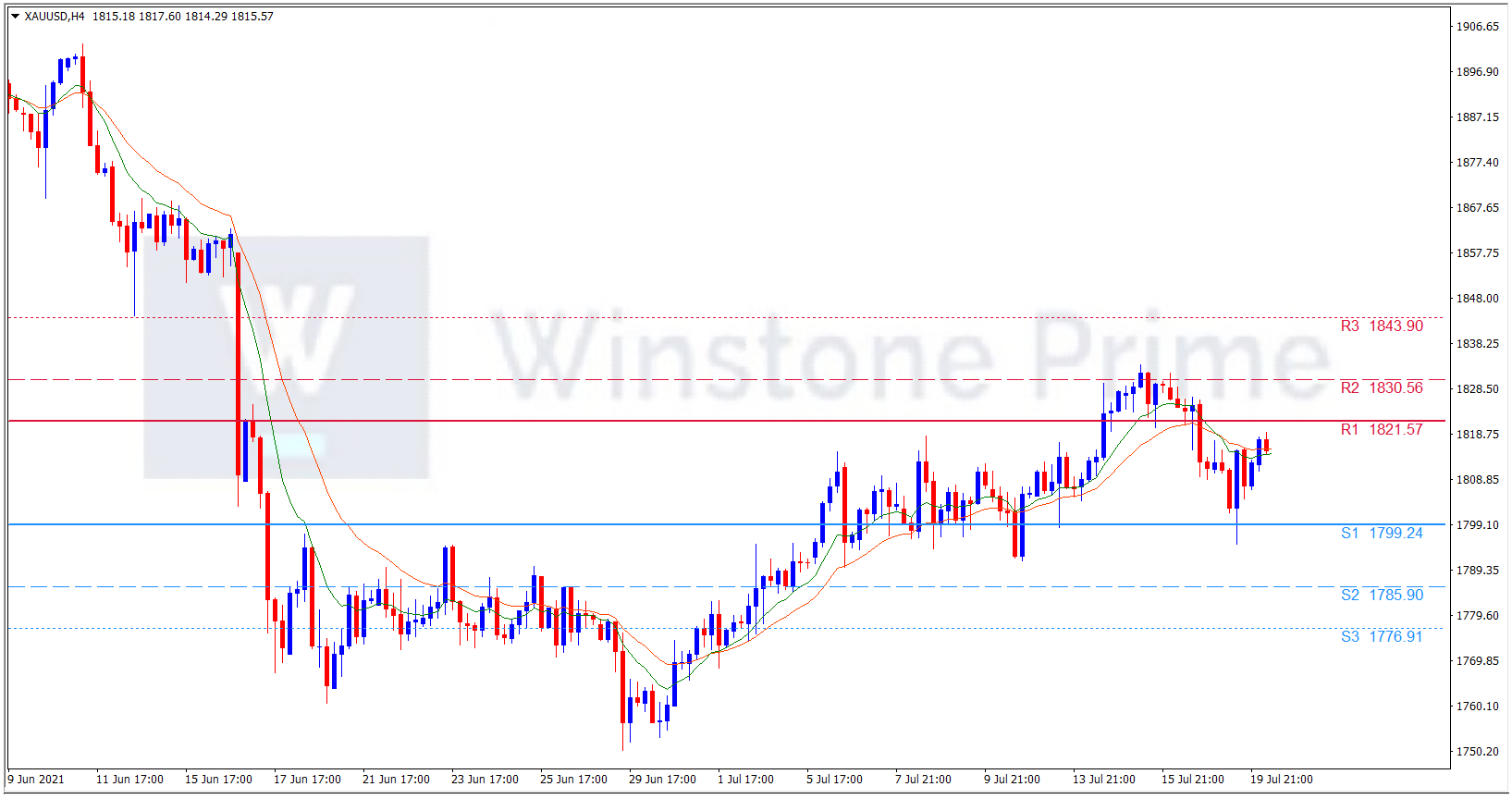
XAU/USD 4 Hour Chart:

Support: 1799.2 (S1), 1785.9 (S2), 1776.9 (S3).

Resistance: 1821.6 (R1), 1830.6 (R2), 1843.9 (R3).

However the pandemic situation pushes pressure on U.S. Dollar and people moves safe heaven assets. We expect a bullish trend for XAU/USD.

Fear of covid pressurises Euro

The EUR/USD seems to be under downward pressure on the US dollar. The spread of the Delta Corona virus variant has worried investors about a global recovery and the dollar was nearing a record high on Monday as it sent money to safety. Daily infections are on the rise from the US and Europe to Asia, and every day there are more than half a million new cases worldwide for the first time since May. Traders are breathing down their necks as the UK lifts most social restrictions.

The U.S. Congress for Bloomberg recently passed a bill that would “prevent scientists and academics from participating in U.S.-funded research projects to promote U.S. research and development.” In the same line, US Treasury Secretary Janet Yellen said, “The China Trade Agreement Affects American Consumers, New York Times (NYT). Elsewhere, the European Central Bank (ECB)’s targets for future moves add to the burden on the euro/US dollar, despite rejections by Federal Reserve (Fed) policymakers after they showed readiness to accept the above target inflation.

On Friday, US consumer-centric data came in mixed, mostly soft, but the details suggested strong inflation expectations and were positive for the US dollar. When the index figures for global procurement managers are released, the week’s data calendar is very blunt until Friday, with policy and virus response expected to focus in the meantime. China’s benchmark lending rate is likely to be cut on Tuesday, and the European Central Bank’s guidance on Thursday is likely to signal changes.

Not only are the increasing numbers of Covid, But also the fears that the virus variant is spreading fast, resisting vaccines, pushing global policymakers to reconsider the COVID-19 war. In anticipation, in the absence of key data / events, EUR/USD traders will keep their eyes on sentiment headlines. Moreover, the reports of the BUBA report in Germany will also be important as they support the changes in Berlin’s monetary policy to control the hot inflation problem.

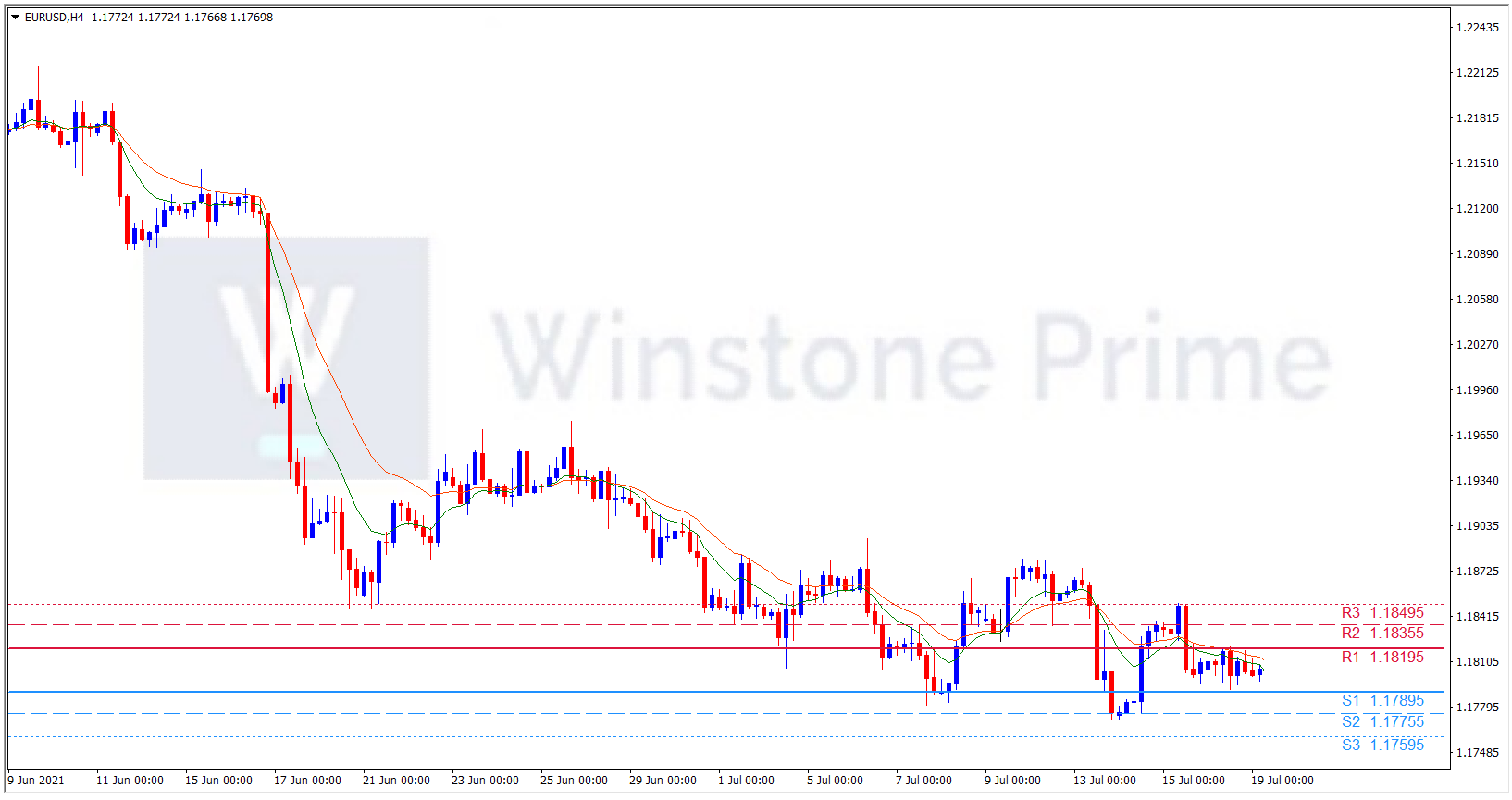
EUR/USD 4 Hour Chart:

Support: 1.1790 (S1), 1.1776 (S2), 1.1760 (S3).

Resistance: 1.1820 (R1), 1.1836 (R2), 1.1850 (R3).

Amidst the above data the Europe is on sluggish upon soft US dollar and Covid circumstances. We expect bearish trend for EUR/USD.