
Successful forex trading is the art of being able to predict when currencies are going to shift in value in relation to each other, and what direction that shift is going to be in. The good news is that those fundamentals are relatively simple; is the dollar going to weaken against the yen? Will the pound pick up against the euro? Another piece of good news is that there are huge swathes of data available to the average retail trader to enable them to make these decisions.
In this article, we will learn about the different types of market analysis to do the trading in better way. However, it is an overview of the main planks of Market analysis a trader needs to bear in mind, and a look at a few of the types of tool which can make that analysis easier and more accurate.
1. Fundamental Analysis
Fundamental analysis is often used to analyse changes in the forex market by monitoring figures, such as interest rates, unemployment rates, gross domestic product (GDP), and other types of economic data that come out of countries. For example, a trader conducting a fundamental analysis of the EUR/USD currency pair would find information on the interest rates in the Eurozone more useful. Those traders would also want to be on top of any significant news releases coming out of each Eurozone country to gauge the relation to the health of their economies. Fundamental analysis based on one-off events of this kind requires a close attention to detail, up to the minute (or even second) access to newsfeeds and the willingness to take up positions instantly.
2. Technical Analysis
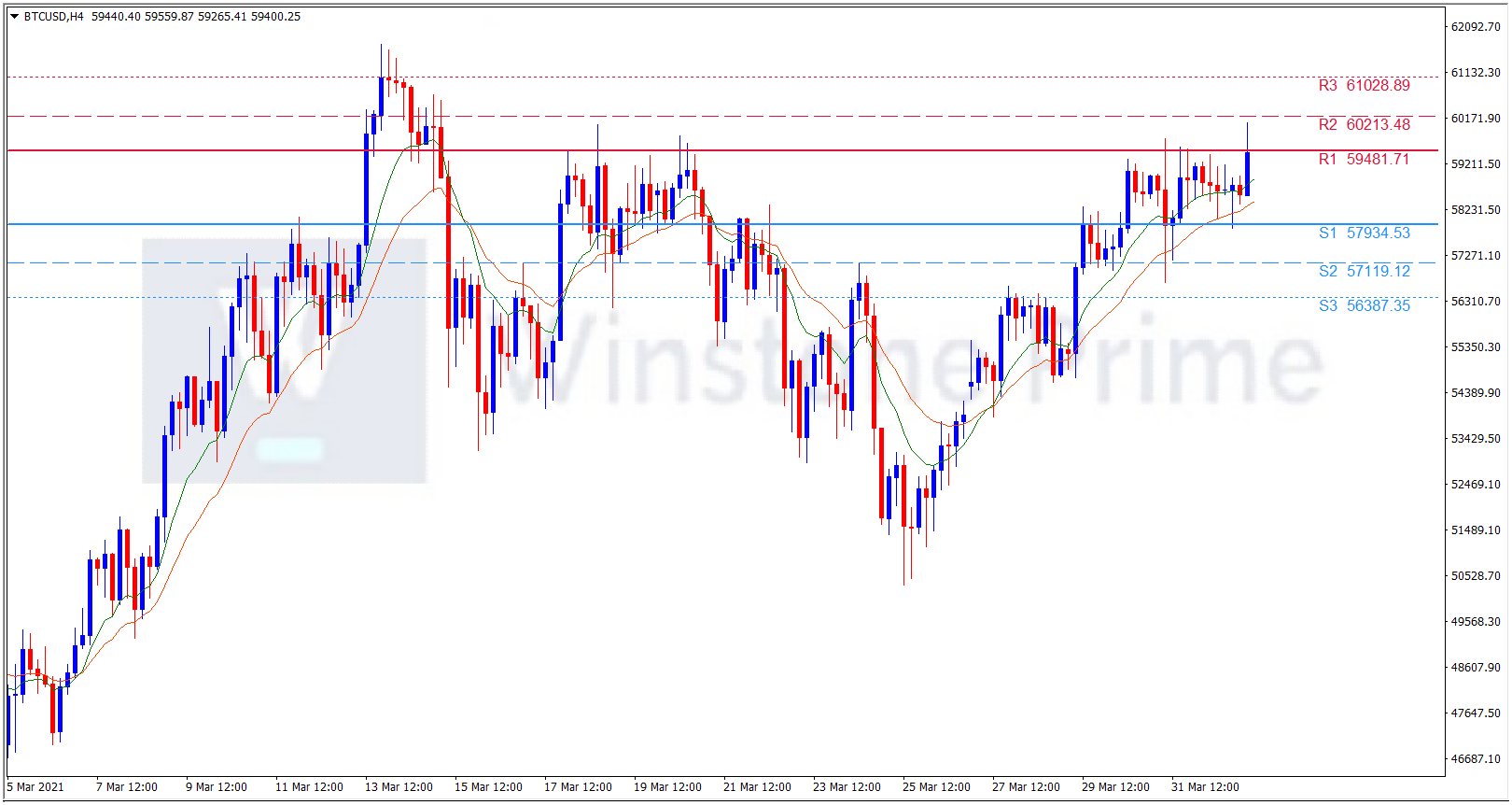
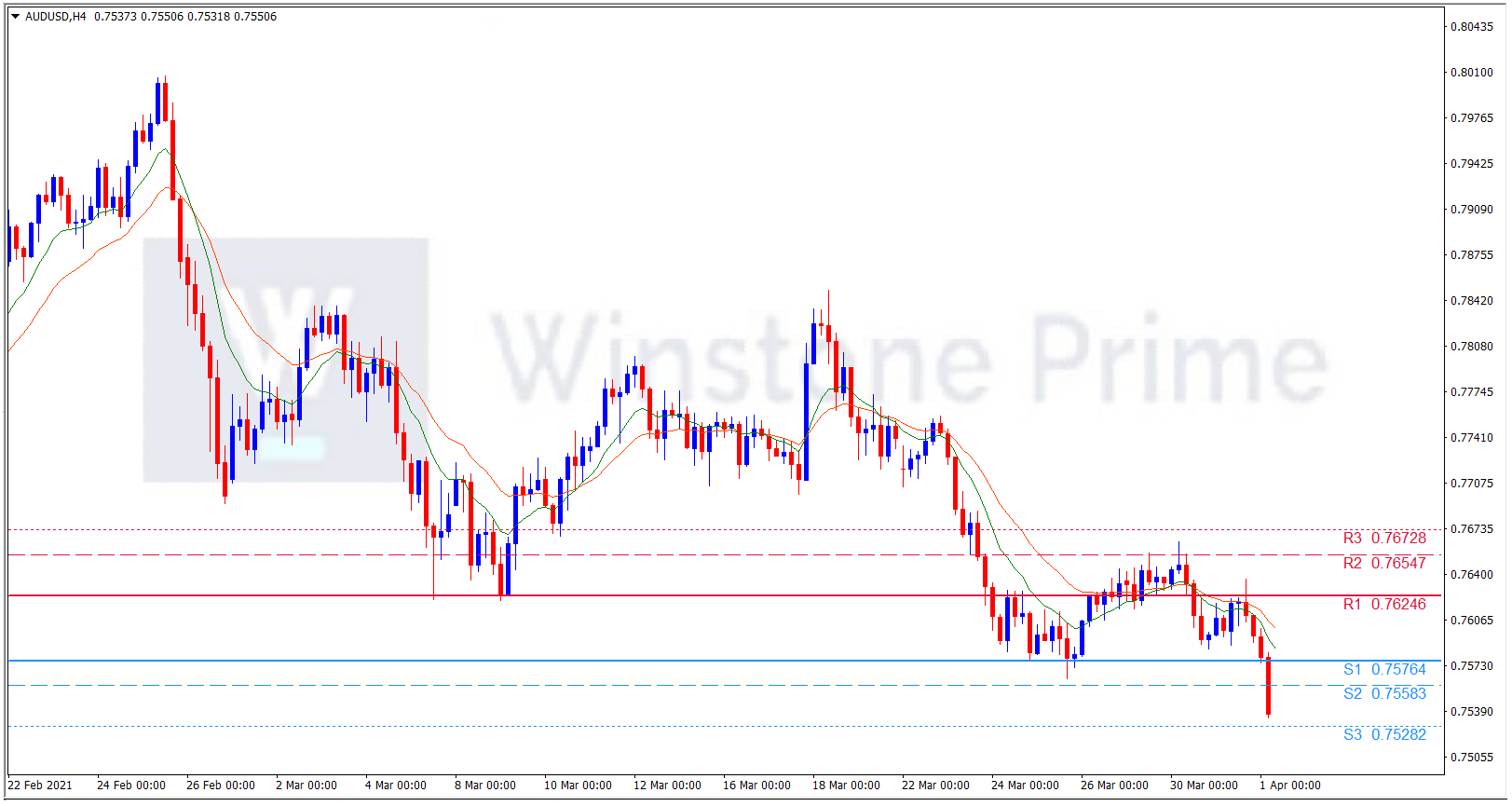
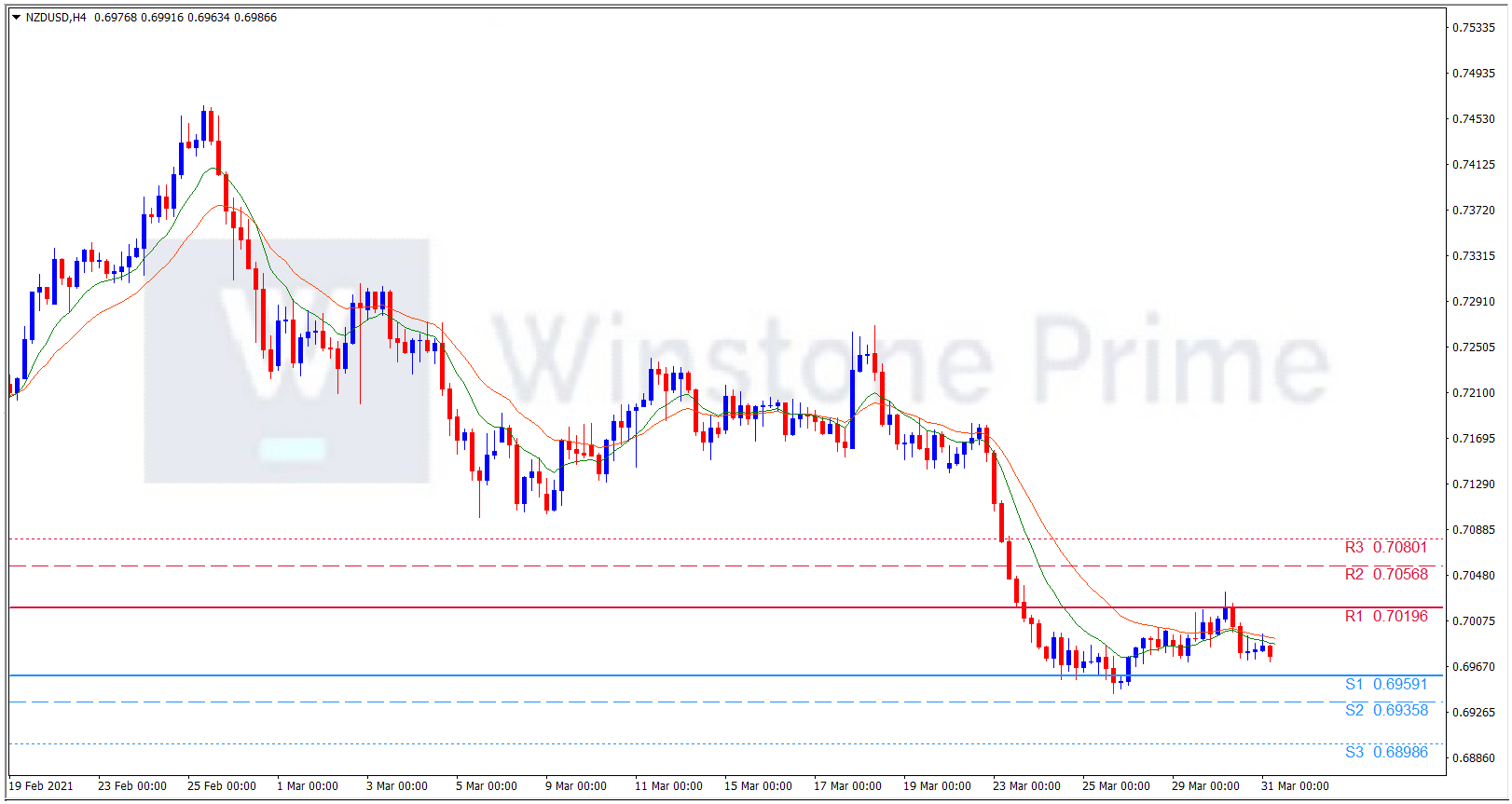
Technical Analysis is the study of how prices in freely traded markets behaved through the recording, usually in graphic form, of price movements in financial instruments. It is also the art of recognizing repetitive shapes and patterns within those price structures represented by charts. Normally technical analysis comes in the form of both manual and automated systems. A manual system typically means a trader is analyzing technical indicators and interpreting that data into a buy or sell decision. An automated trading analysis means that the trader is “teaching” the software to look for certain signals and interpret them into executing buy or sell decisions. Where automated analysis could have an advantage over its manual counterpart is that it is intended to take the behavioral economics out of trading decisions. Forex systems use past price movements to determine where a given currency may be headed. But past performance is no guarantee of future success, but the relative stability of the major currencies, over the long term, means that patterns of movement can become relatively predictable.
3. Weekend Analysis
There are two basic reasons for doing a weekend analysis. The first reason is that you want to establish a “big picture” view of a particular market in which you are interested. Since the markets are closed and not in dynamic flux over the weekend, you don’t need to react to situations as they are unfolding, but can survey the landscape, so to speak.
Secondly, the weekend analysis will help you to set up your trading plans for the coming week, and establish the necessary mindset. A weekend analysis is akin to an architect preparing a blueprint to construct a building to ensure a smoother execution. Tempted to trade without a plan? Bad idea: Shooting from the hip can leave a hole in your pocket.
4. Session highlighter
One of the key attractions of forex trading is the fact that the currency markets are open somewhere in the world 24 hours a day throughout the week. The fact that different markets are open at different times of the day means that the sessions within those markets are likely to have different impacts on the pairs of currencies which a trader is working with. A session highlighter tool can be used to divide a traders charts into these various sessions, and then to highlight any movement that occurs over set periods, such as a minute, a specific number of minutes or an hour.
5. Look for a Consensus in Other Markets
We can gain a perspective of whether or not the markets are reaching a turning point consensus by charting other instruments on the same weekly or monthly basis. From there, we can take advantage of the consensus to enter a trade in an instrument that will be affected by the turn. For example, if the USD/JPY currency pair indicates an oversold position and that the Bank of Japan (BOJ) could intervene to weaken the yen, Japanese exports could be affected. However, a Japanese recovery is likely to be impaired without any weakening of the yen.
6. Volatility Tool of Forex
A volatility tool will show a trader how much, and in what way, a pair of currencies has moved on an hourly basis during a period such as the last thirty days. This enables the trader to build up a fuller picture of the way the currency pair behaves, and note any patterns such as recurring movements on specific days or at a specific time of the day. The more advanced versions of the tool will calculate the typical movement range and, given a time period by the trader, will display a percentage probability that the pair will stay within the set range.
7. Time the Trades
There is a much higher chance of a successful trade if one can find turning points on the longer timeframes, then switch down to a shorter time period to fine-tune an entry. The first trade can be at the exact Fibonacci level or double bottom as indicated on the longer-term chart, and if this fails then a second opportunity will often occur on a pullback or test of the support level.
Patience, discipline, and preparation will set you apart from traders who simply trade on the fly without any preparation or analysis of multiple forex indicators.
8. Acquiring Forex Trading Systems and Strategies
A trader’s currency trading system may be manually applied, or the trader may make use of automated forex trading strategies that incorporate technical and fundamental analysis. These are available for free, for a fee, or can be developed by more tech-savvy traders.
Both automated technical analysis and manual trading strategies are available for purchase through the internet. However, it is important to note that there is no such thing as the “holy grail” of trading systems in terms of success. If the system was a fail-proof money maker, then the seller would not want to share it. This is evidenced in how big financial firms keep their “black box” trading programs under lock and key.
Conclusion
Undertaking and applying analysis is a key practice of any successful trader. The degree of analysis a trader carries out will depend upon their inclination and appetite for trading. Analyse the market with the way that is suitable for trading and open account in Winstone prime start trading.