
With Blockchain technology growing exponentially, more and more people is putting their money in this field since it’s one of the most exciting innovations of our time. It uses the Blockchain technology that also powers cryptocurrencies – the digital alternative to traditional money (or the euros, the dollars, the yen, the pounds, etc.). Crypto-lending is the process of lending digital assets through crypto exchanges or different lending sites with an interest rate.
For the last few years, crypto lending has massed some significant amount of attention and is now increasingly becoming a mainstream conversation in banking as well as institutional investors.
Crypto-assets Growth
Crypto-assets, or as commonly known cryptocurrency, emerged in 2018 by a pseudonymous person named Satoshi Nakamoto, who invented Bitcoin. With the new invention, more cryptocurrencies were created, including Litecoin and Namecoin, with Bitcoin leading the pack.
By 2017, Bitcoin value had soared to $1,000 and by the end of that year; it was worth a whopping $20,000. However, the value dropped almost by half since then and by the end of 2019, Bitcoin was worth around $10,000.
Crypto lending markets importance
At a fundamental level, credit and lending markets increase the amount of productive work money does by reallocating it from those without an immediate use case to those with one. This increases the utility of that money for all parties, giving borrowers access to capital and lenders yield. This is a massive opportunity for crypto markets and users, which have traditionally had two options regarding how to use their crypto: hodl or trade.
Particularly for hodlers, cryptocurrency has had one function — i.e., to sit in their wallets. While some may argue that serves a purpose by limiting supply on the market, we can generally agree that it is not a particularly productive use of a capital asset. With the advent of crypto-asset lending, the utility of those assets has increased significantly. A formerly static investment can now generate passive yield for lenders, and borrowers can either receive fiat without having to initiate a taxable sales event or receive crypto assets for trading, arbitrage or market-making. These are substantial improvements for individual hodlers and major institutional investors alike.
And second one is Borrowers who take out the loan for margin trading do so because they don’t have enough capital for placing a trade or who want’s to get a profit from using this credit amount. If they make a favorable trading decision, then they make a profit and pay back the loan easily. If the trade goes awry, they have no choice but to meet the loss and pay back the loan out of their pocket.
How Does Crypto Lending Work?
Crypto lending is a fairly straightforward process. The lender deposits crypto funds on a lending platform. The lending platform then makes the funds available to borrowers at a rate set by the lender.
To take a loan, borrowers create an account and take out a loan for a specified period. When that specified period expires, the borrower returns the funds, along with the pre-set interest rate.
To eliminate risks such as borrowers being unable to pay back the loan, crypto lending platforms usually institute guarantees or require borrowers to set up collateral or some other type of loan-backing system.
Types of lending platforms: Centralized vs. decentralized
Since 2018, a number of lending platforms have cropped up within the crypto industry and can generally be grouped into centralized and decentralized platforms. At the core of the distinction is essentially who or what is handling the lending and borrowing process — a business or a protocol.
Centralized lending platforms act more like traditional fintech companies that happen to work with cryptocurrency — they follow Know Your Customer processes, have a custodial system to protect your assets, and can form traditional business partnerships with institutions, such as negotiating specific loan agreements. These platforms tend to offer interest rates determined by the company, which often include notably higher returns for lenders of crypto assets like Ether (ETH) and Bitcoin (BTC) than their decentralized counterparts.
Decentralized lending platforms, including projects like Compound, Maker and dYdX, operate as protocols that can be accessed by anyone at any time without KYC or custody. With the exception of Maker, whose decentralized governance system determines the interest rates, these decentralized platforms have variable interest rates determined by supply and demand for an asset on the platform. Depending on the interest rate function, this can at times lead to large swings in interest rates, with dYdX at times spiking over 30% for lenders.
Why Take Out a Cryptocurrency Backed Loan?
Whether you want to convert your crypto to fiat and lend it out or get a cash loan off the back of your crypto, there are plenty of benefits. Many crypto owners have a long-term view of their investments. Although they plan to hold their crypto assets, sometimes circumstances force investors to sell their crypto for USD. Rather than selling, investors can use their cryptocurrencies as collateral towards a cryptocurrency backed loan. This allows them to maintain ownership of their funds while gaining access to the USD they need to fund their projects. With loan percentages running from 9 to 22% depending on the platform, the good news for the borrower is that they retain the full value of their crypto collateral including its gains and losses.
Crypto lending – Advantages and Disadvantages
In an ideal scenario, cryptocurrency loans are profitable to both the lender and the borrower, but they still come with their own pros and cons. Here’s a look at some of them;
One of the biggest advantages of crypto-lending is that it’s easy to set up an account and get started. As such, there are no skill-sets required, unlike mining or trading.
Also, compared to mining, lending, and borrowing crypto-asset loans is a more affordable way of earning returns. Also, it doesn’t require you to check on your funds regularly since there aren’t any fast actions involved. In fact, as a lender, some platforms allow you to automate your lending account, such that you receive the paybacks without necessarily monitoring your account.
On the downside, however, there are no unified taxation and regulatory policies governing the lending process. This makes it hard for individuals to know the tax implications of their lending activities. In the same vein, should there be any dispute, it will be solved according to the regulations of both users and the platform’s jurisdiction.
Besides the regulation hurdle, some platforms tend to charge high commission rates out of the interest rates paid back by the borrower. What’s even worse is that the commission amounts are set daily and not over the full course of the loan. As a lender, this means that your profit amount is never guaranteed.
Bottom Line
There are plenty of options for crypto-based lending services. With Crypto lending platforms, anyone from anywhere can access a loan regardless of their location, credit history, nationality, and whether they’re banked or not. All platforms offer the same kind of service, there are the subtleties with each service that differentiates it from the others.
These differences lie in loan repayment schedules, supported currencies, loan terms, loan-to-value ratios, and so on. As such, you need to read the fine print and discover which platform works for you.
Finally, ensure to read and understand any terms and conditions for any platform, and check the legality and tax requirements for crypto-based loans in your jurisdiction.

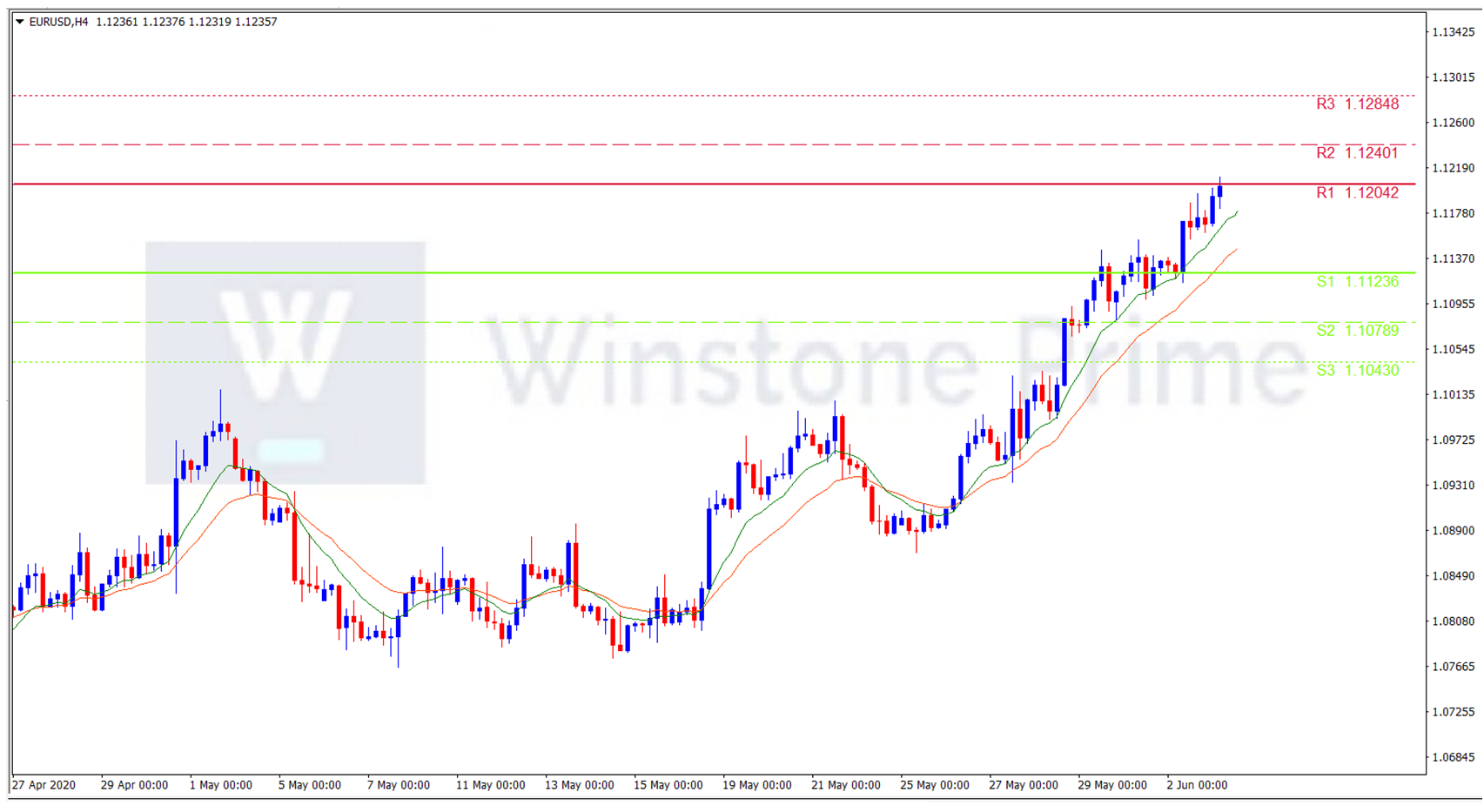 Support: 1.1124 (S1), 1.1079 (S2), 1.1043 (S3).

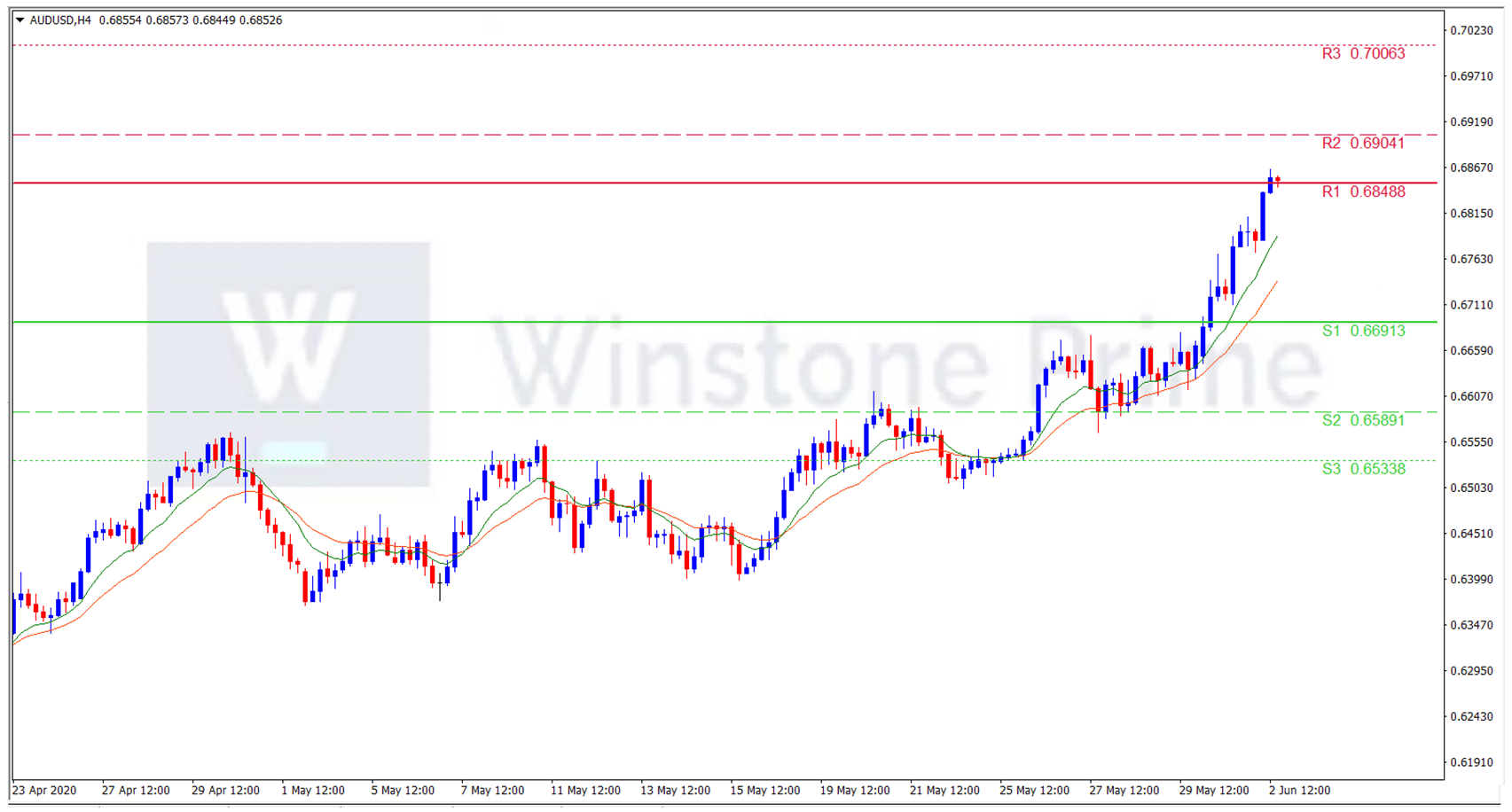 Support: 0.6691 (S1), 0.6589 (S2), 0.6534 (S3).
 Support: 1.2293 (S1), 1.2241 (S2), 1.2190 (S3).