Rate hike expectation favors market mood

USD/JPY traders high amid the US inflation expectations and the China evergrande favorable updates helping in the US dollar strength by improving market mood.

The US Consumer Price Index (CPI) made a jump to a three-decade high of 6.2% YoY thus encouraged Fed rate hike expectations. The views on the monetary policies led to rise in the US Treasury yields which again favored greenback.

China Evergrande, the country’s indebted real estate giant avoided a formal default third time after a bondholder said that the company made interest payment to the tune of $148 million on Wednesday, meeting the payment deadline. This news underpinned the bullish trend of USD/JPY.

Elsewhere, Inflation data as measured by the 10-year breakeven inflation rate per the St. Louis Federal Reserve (FRED) data, also rallied and refreshed the highest levels since May 2006 on Wednesday.

Comments from Patrick Timothy Harker and Mary C Daly, respective Presidents of the Federal Reserve Bank of Philadelphia and San Fransisco, tried to defend the Fed doves. Mr. Harker highlighted the possibilities of a rate hike even while tapering is on whereas Fed’s Daly said that it would be premature to change the calculation on raising rates. This mixed comments from fed officials also could be held as a reason behind the recent USD/JPY move.

Speaking about the Sino-American trade deal, not-so-positive comments from US Trade Representative (USTR) Katherine Tai ahead of the next week’s virtual summit of US President Biden and his Chinese counterpart Xi Jinping add to the risk sentiment.

USD/JPY 4 Hour Chart:
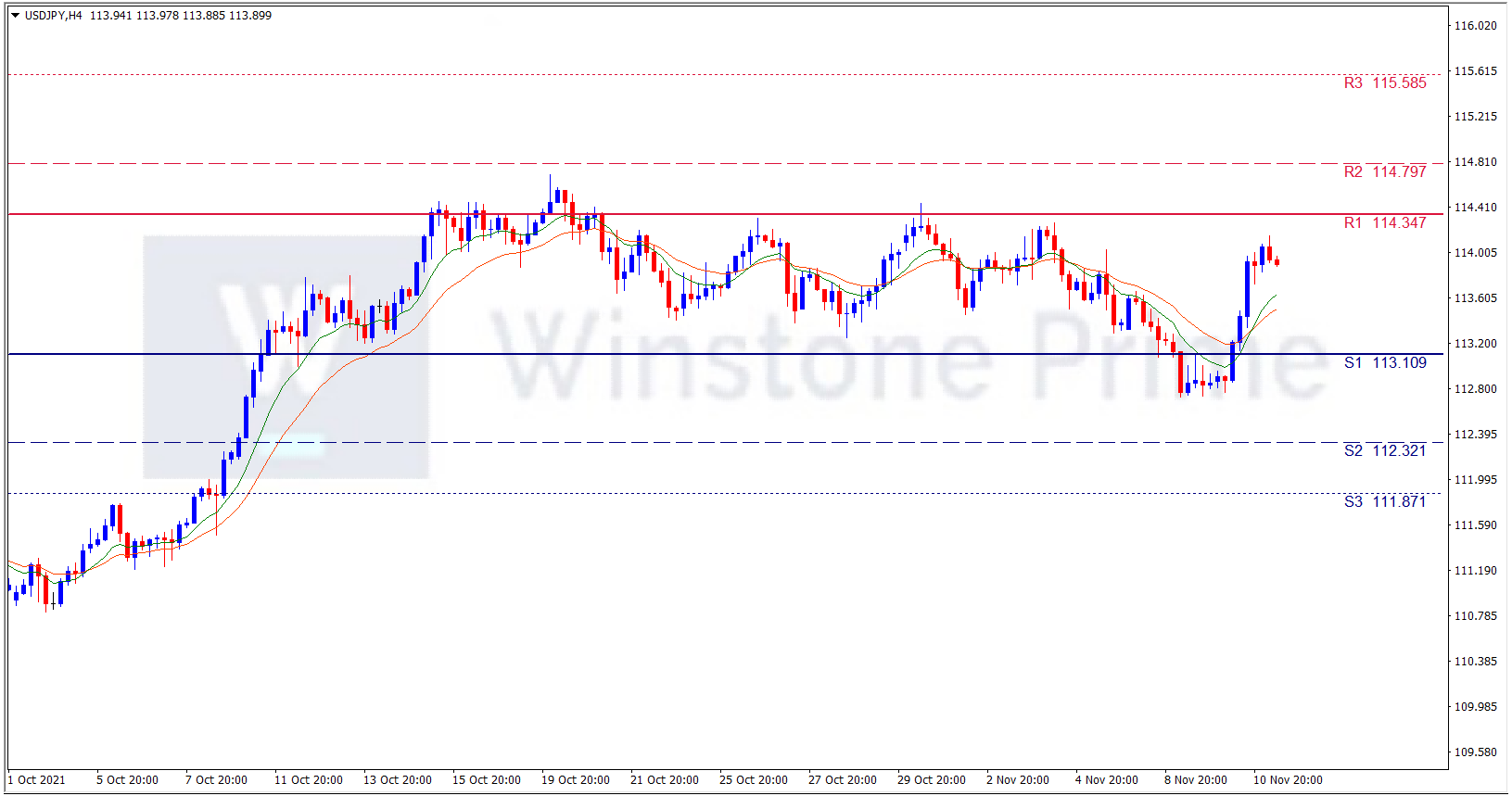
Support: 113.11 (S1), 112.32 (S2), 111.87 (S3).

Resistance: 114.35 (R1), 114.80 (R2), 115.59 (R3).

These risk catalysts will key the pair today due to bank holiday in US. We expect a bullish trend for USD/JPY.
Basics of crude oil

Crude oil is a naturally occurring fossil fuel product which is composed of hydrocarbon deposits and other organic materials and is distilled to produce other usable products including gasoline, diesel, and various other forms of petrochemicals.  

Know about crude oil:

Crude oil is usually obtained through drilling, where it is normally found alongside other resources, such as natural gas (which is lighter and therefore sits above the crude oil) and saline water (which is denser and sinks below).

After its extraction, crude oil is distilled and processed into a variety of forms, such as gasoline, kerosene, and asphalt, for sale to consumers.

Crude oil is referred as “black gold,” but it has a range of viscosity and can also vary in color from black to yellow which depends on its hydrocarbon composition. Refining, the process by which oil is heated and separated into different components, is the first stage in refining.

In Today’s scenario, world’s economy is hugely dependent on fossil fuels such as crude oil, and the demand for these resources often sparks political unrest as a small number of countries control the largest reservoirs. Same as any other industry, supply and demand heavily affect the prices and profitability of crude oil. The United States, Saudi Arabia, and Russia are the leading producers of oil in the world.

In the year 1859, at Titusville, Penn., Col. Edwin Drake drilled the first successful well through rock and produced crude oil. What few called “Drake’s Folly” was the birth of the modern petroleum industry.

The start of Organization of Petroleum Exporting Countries (OPEC) – Officials from Kuwait, Iran, Iraq, Saudi Arabia and Venezuela met in Baghdad in 1960 to discuss how to handle the price cuts imposed by the International oil companies (IOCs). They made an agreement to form the Organization of Petroleum Exporting Countries (OPEC), with the aim of reducing competition between their nations and controlling prices. 

In the next two decades, OPEC expanded to include Qatar, Indonesia, Libya, United Arab Emirates, Algeria, Nigeria, Ecuador and Gabon. Many of these nations also took control of their oil reserves between 1960 and 1976, by buying out or forcibly taking shares from the IOCs. The US and USSR controlled oil for a short time, but the control soon shifted to OPEC – as emphasised in 1973 when its members opted to embargo countries supporting Israel in the Yom Kippur war . Increase in global prices was noted from an average of $2.48 in 1972 to $11.58 by 1974 (higher in some parts of the US).

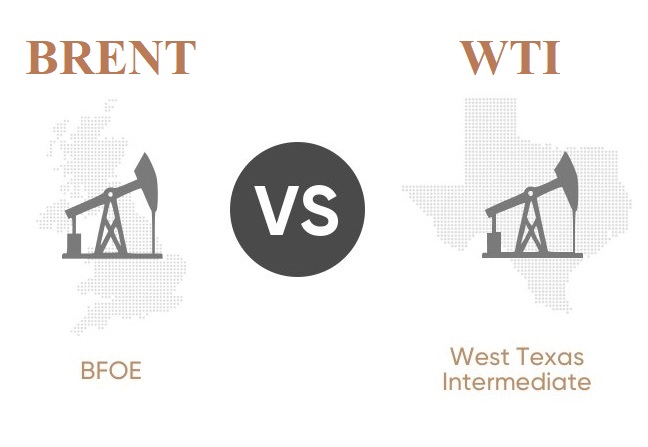
Also this period was marked by the discovery of oil fields in the North Sea, areas controlled by Norway and the UK in which drilling was started in the mid-1970s. This oil – Brent crude – is now used to benchmark prices along with WTI crude. Prices rose rapidly from the year 1979-80, reaching $36.83, as Iran cut production and exports during its revolution and the Iran-Iraq war began. However after that, prices fell quickly due to demand shocks and because other producers increased production, particularly the USSR , which then became the world’s biggest producer of oil by 1988. 

In the year 1990, Iraq invaded Kuwait, and the ensuing Gulf War created a supply shock that sent prices from $14.98 a barrel before the invasion to $41.00 per barrel in September 1991.  The price then continued to fluctuate for the next few years. And due to the fall of the Soviet Union in 1991, Russian oil industry also fell, with production halving over the next decade due to reduced investment. Elsewhere Global demand also fell drastically in 1997 due to the Asian financial crisis, but recovered by 1999 as the region’s economic outlook improved.

In 2003, The US invasion of Iraq created uncertainty about the future supply of oil along with that, Asian demand (especially china) increased tremendously which contributed to a rise from $28.38 in July 2000 to over $146.02 in July 2008. After that, prices made a fall and rebounded as a result of the global financial crisis, and reached  $126.48 following the Arab Spring of 2011, which again created supply shortages. 

As of recent scenario, technological advancements have facilitated increased US shale oil production through hydraulic fracturing. This led to the reduction of OPEC’s influence and caused prices to fall from $114.84 per barrel in June 2014 to under $28.47 in January 2016.  OPEC then responded by colluding with several other countries to implement production cuts, expected to run until at least the end of 2018. Prices rose following the announcement of these cuts but, with the US now able to act as a ‘swing producer’, OPEC’s ability to control prices may be in decline.

In the upcoming years, prices are likely to be dependent on US shale oil production, the OPEC alliance, and demand of Asia.

 Brent Crude vs. West Texas Intermediate

The composition of crude oil varies by source however two types are used to benchmark global prices. They are the United States’ West Texas Intermediate (WTI) and United Kingdom’s Brent crude. The differences between them are based on some factors such as composition, extraction location and prices.

Brent Crude:

Brent Crude is more common and most oil is priced using Brent Crude as the benchmark, almost two-thirds of all oil pricing depends on brent crude. Brent Crude is produced near the sea, so transportation costs are significantly lower. In contrast, West Texas Intermediate is produced in landlocked areas, making transportation more costly.

West Texas Intermediate

In the United States, West Texas Intermediate is the preferred measure and pricing model. It is also slightly “sweeter” and “lighter” than Brent. West Texas Intermediate (WTI) is slightly lower in price than Brent.

Significant Differences

Due to advancements in oil drilling and fracking, West Texas Intermediate became cheaper than Brent Crude oil. Before this, Brent Crude used to be cheaper than West Texas Crude. The price of oil is a major factor in the overall health of the energy sector and is one of the most heavily traded commodities as it is influenced by almost every global, macro event.

Another factor that can create significant differences between Brent Crude and West Texas Intermediate is geopolitical trouble. At the time of crisis, the spread blows out as political uncertainty leads to the surges in Brent Crude prices. West Texas Intermediate is less affected because it is based in landlocked areas in the United States.

Main reasons to trade crude oil

Crude Oil is a dynamic, volatile and most liquid market thus stands as the most traded commodity in the world. Some of the reasons to trade it are listed below:

  • Volatility: The volatility of this product gives a great opportunity to the swing and day traders  who react to the latest oil pricing.
  • Liquid: Crude oil is a liquid market which is traded in huge volume. This means trades can be opened and closed at the your preferred price points and at lower trading cost.
  • Diversification: Trading oil can be part of a diversified portfolio of commodities, stocks and bonds.
  • Hedging: Oil can be traded as part of a hedging strategy to  reduce the effects of the asset’s volatility.


Final words:

Crude oil trading offers excellent opportunities to profit in nearly all market conditions due to its unique standing within the world’s economic and political systems. Also, in the recent years, energy sector volatility has risen sharply ensuring strong trends that can produce consistent returns for short-term swing trades and long-term timing strategies. Open account now and play in the oil market.

Euro is trading low ahead of CPI

Euro is printing mild losses by heading into European session today. This move is backed with the US dollar rebound by the tracking the US Treasury yields amid cautious market sentiment ahead of the US Consumer Price Index (CPI) data.

Amidst the inflation woes in the market, worries emanating from China further add the risk in the market. Which helped the US dollar of late. Worries over the potential fallout from Evergrande roiled China’s property sector on Tuesday, which in turn has slammed the bonds Link of real estate companies amid the prevailing worries that the crisis could spread to other markets. The slide in bond prices came just hours after the U.S. Federal Reserve warned China’s troubled property sector could pose global risks.

Recently, St. Louis Federal Reserve (Fed) President James Bullard said in an interview that he is expecting the US central bank to hike its benchmark rate twice in 2022, after it’s finished with winding down its bond-buying program.

Elsewhere, U.S. Treasury Secretary Janet Yellen said on Tuesday that the bipartisan infrastructure package approved by Congress and President Joe Biden’s made a proposal of social and climate spending plan would increase U.S. productivity and the size of its labor force.

A Federal Reserve Bank of New York report showed on Tuesday that U.S. consumers are spending more and ramping up credit card balances, reversing a shift during the COVID-19 crisis, when they scaled back spending and substantially paid down debt. After rising by $17 billion in both the second and third quarters, credit card use appears to be returning to pre-pandemic patterns, the researchers said. However, balances were still $123 billion lower than at the end of 2019, according to the quarterly report on household debt and credit.

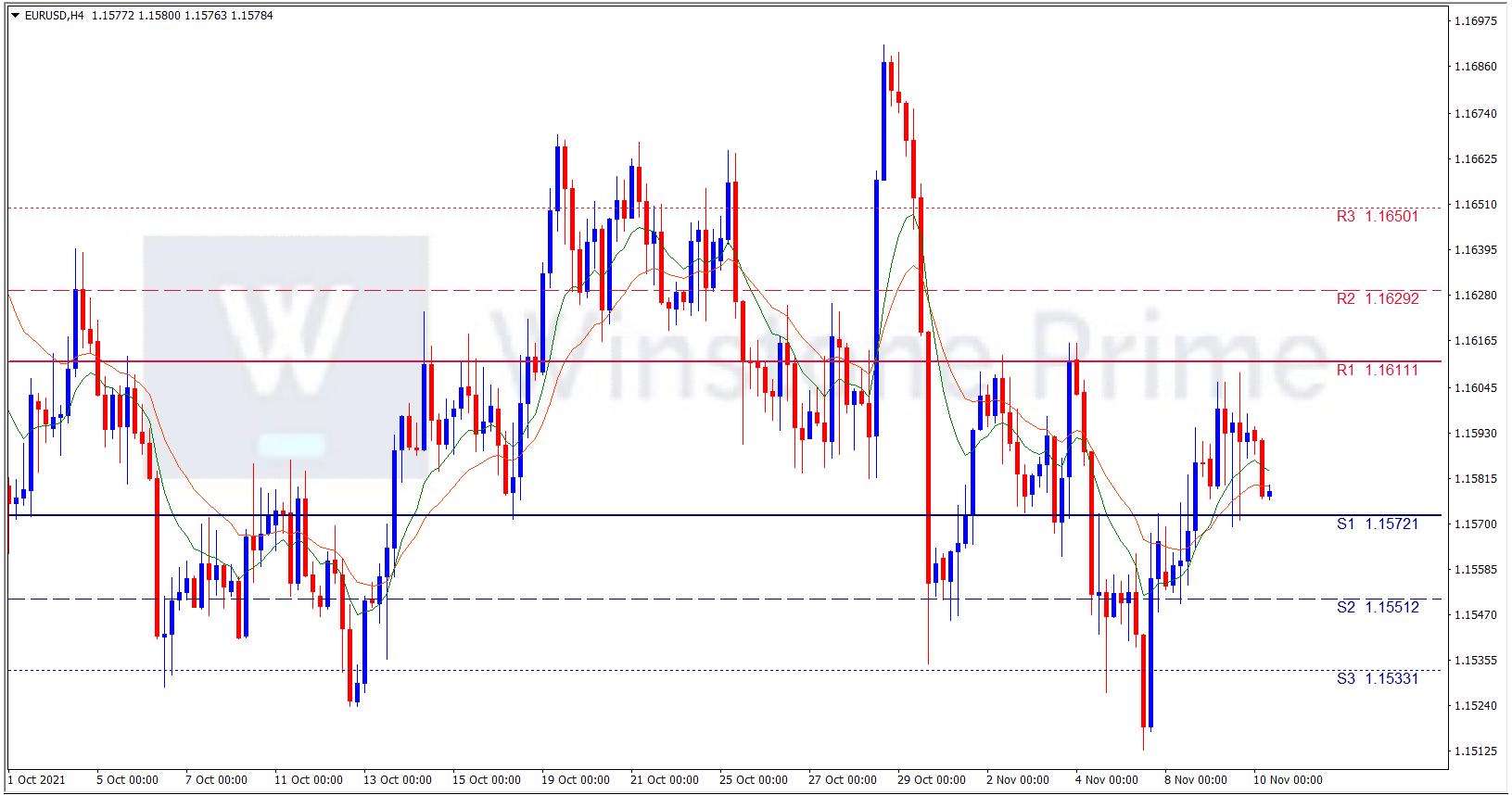
EUR/USD 4 Hour Chart:

Support: 1.1572 (S1), 1.1551 (S2), 1.1533 (S3).

Resistance: 1.1611 (R1), 1.1629 (R2), 1.1650 (R3).

Traders are now keen to watch the inflation numbers from Germany and the US CPI figures which will further direct EUR/USD. In the meantime, USD remains strong and we expect a bearish trend for EUR/USD.

Weaker dollar favors Sterling

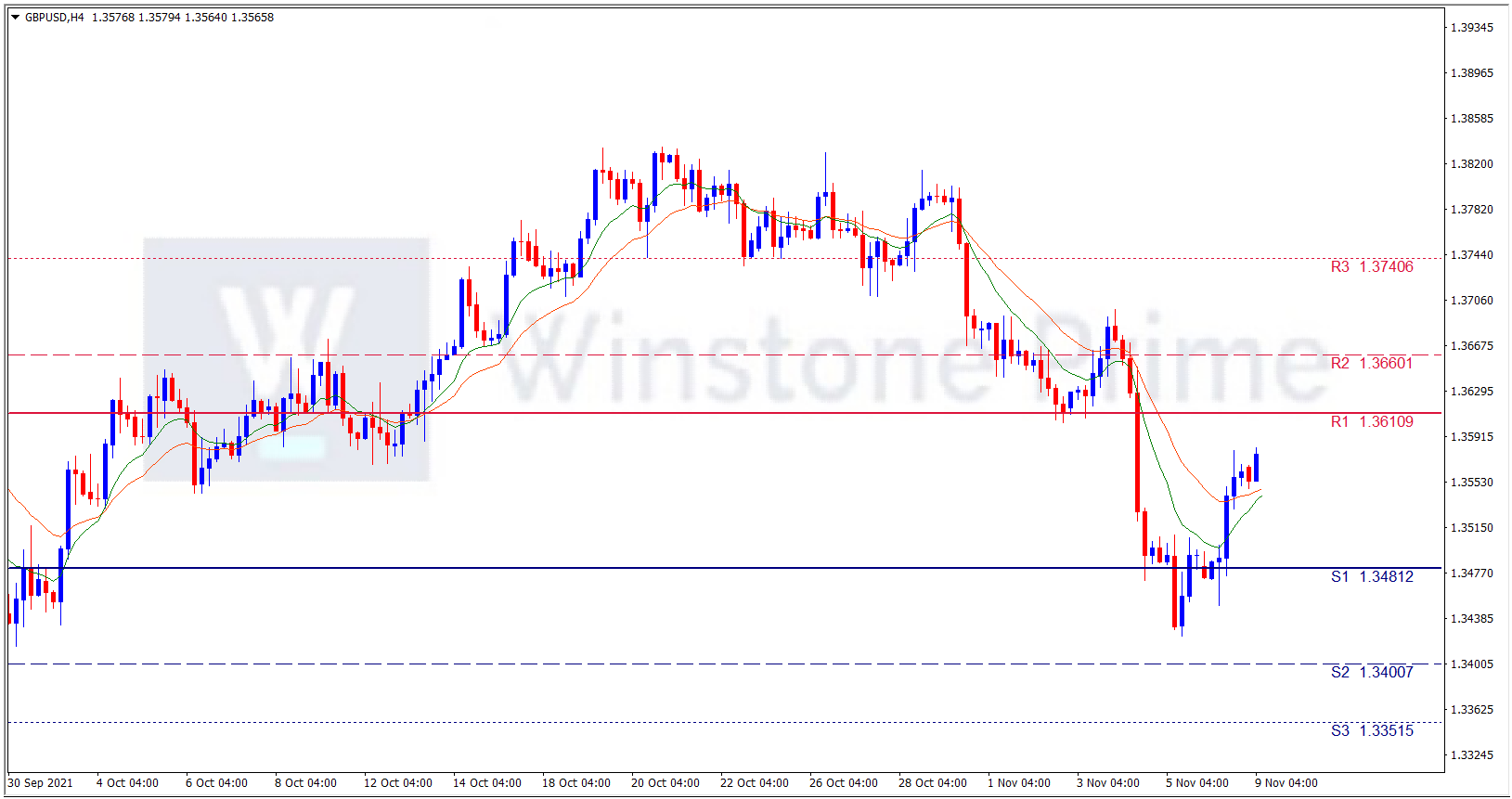
GBP/USD is consolidating the recent recovery rally from two-month lows of 1.3424 as buyers started showing interest. A broadly weaker US dollar is the major reason for the buyer’s confidence.

However, A lack of progress on the Brexit front along with that the impending threat of the UK triggering Article 16 keeps the pound under pressure.

As per the recent brexit update, The UK is thought to be preparing to suspend parts of the Northern Ireland Protocol. Irish Foreign Minister Simon Coveney hinted the EU could terminate the Trade and Cooperation Agreement in response.

The Bank of England’s governor, Andrew Bailey, has stated in recent trade that the Old Lady will have to act with rates if there is evidence of higher inflation expectations feeding in to the wages. Bailey is essentially echoing his recent message about the direction of monetary policy which last week led to a jolt in financial markets.

“What we’re concerned about … is once you start to get an increase in inflation of this sort we want to stop it becoming generalised in the economy,” was said by Bailey during an online question-and-answer session organised by the BoE on Monday.

On the other hand the dollar weakness can be related to the inflation numbers loom. Price data, due from both China and the United States on Wednesday might test central bankers’ promises of patience. Economists are expecting the numbers to show profound pressure on factory gate prices in China, which can flow through global supply chains.

Inflation expectations had tugged real U.S. yields and the dollar a little lower overnight, put it remains within sight of highs hit on Friday.

In the present scenario, cautious market sentiment offsets  Brexit risks which leds to the boding for the cable. The traders will focus now towards the speeches from Fed Chair Jerome Powell and BOE Governor Andrew Bailey for fresh hints on the monetary policy.

GBP/USD 4 Hour Chart:

Support: 1.3481 (S1), 1.3401 (S2), 1.3352 (S3).

Resistance: 1.3611 (R1), 1.3660 (R2), 1.3741 (R3).

Amidst the prevailing market conditions where Us dollar seems weak, we expect a bullish trend for GBP/USD.