If you have spent any time looking at the forex market, you may have noticed that the markets drop significantly between June and August because you are going on vacation and need to find a cheaper place to buy the currency you have chosen, or because you are a true forex trader or may be interested in stock charts. Yes, that’s right; There is a big season in financial markets that you may not have considered before, but it will be more important to you now than ever before when you start or continue your trading journey.
Now that we have fully entered the summer trading months, they are traditionally starting slowly. When you connect to the summer + you have an environment of low volatility, small moves and high misalignment systems due to the lack of ‘flow information’ shared by bank traders under investigation.
That being said, how can we increase our time while being active and consistently profitable? Below is a mini guidance on summer forex trading. In this article, We will share 2 simple tips to help you stay consistent, big moves and active during the slow summer months.
Trading Tips 1: Switching to low volatility Pairs & Instruments
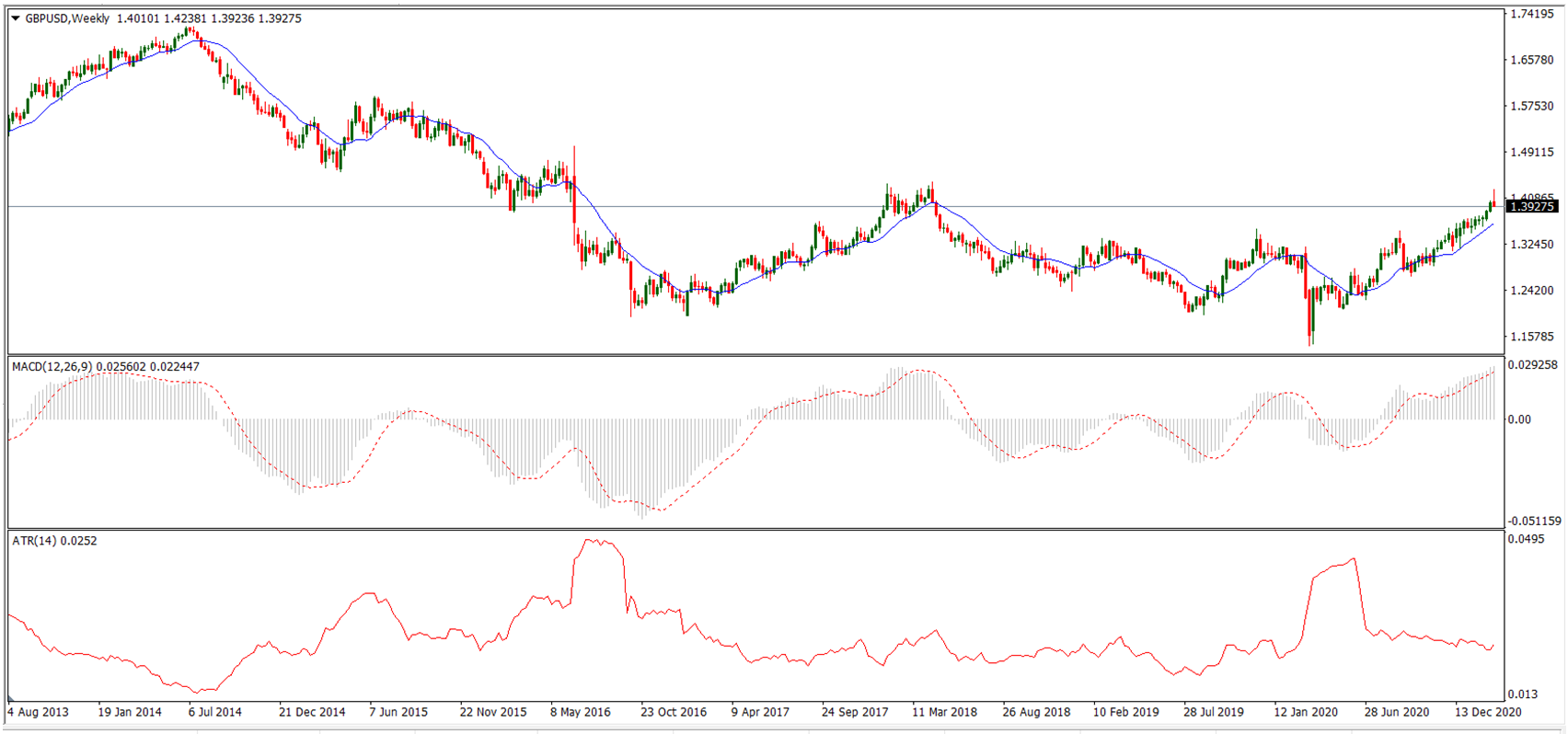
Below we explained the weekly chart of GBPUSD, the most heavily traded pair on the planet. Do you see that red line under the price action part of the chart? That is the weekly ATR which measures the average trading range (in pips) per week. The average range of the pair on a week to week basis has been declining for years with it currently being at an average. It is the same for most majors, including the USDJPY and GBPUSD. If you are expecting a few hundred pip move on any of the above pairs, you could be sitting on your hand for days which is not the best use of your time. So what can you do about this?
Our suggestion is to switch pairs that are more volatile. For example, instead of trading the GBPUSD or the AUDUSD, why not switch to the GBPAUD? It is far more volatile due to the ‘weighting’ of the pair. If you can learn to spot good moves on the AUDUSD, then it will usually correspond to a directionally opposite move in the GBPAUD.
Take a look at the two charts below to get a better idea of this concept.
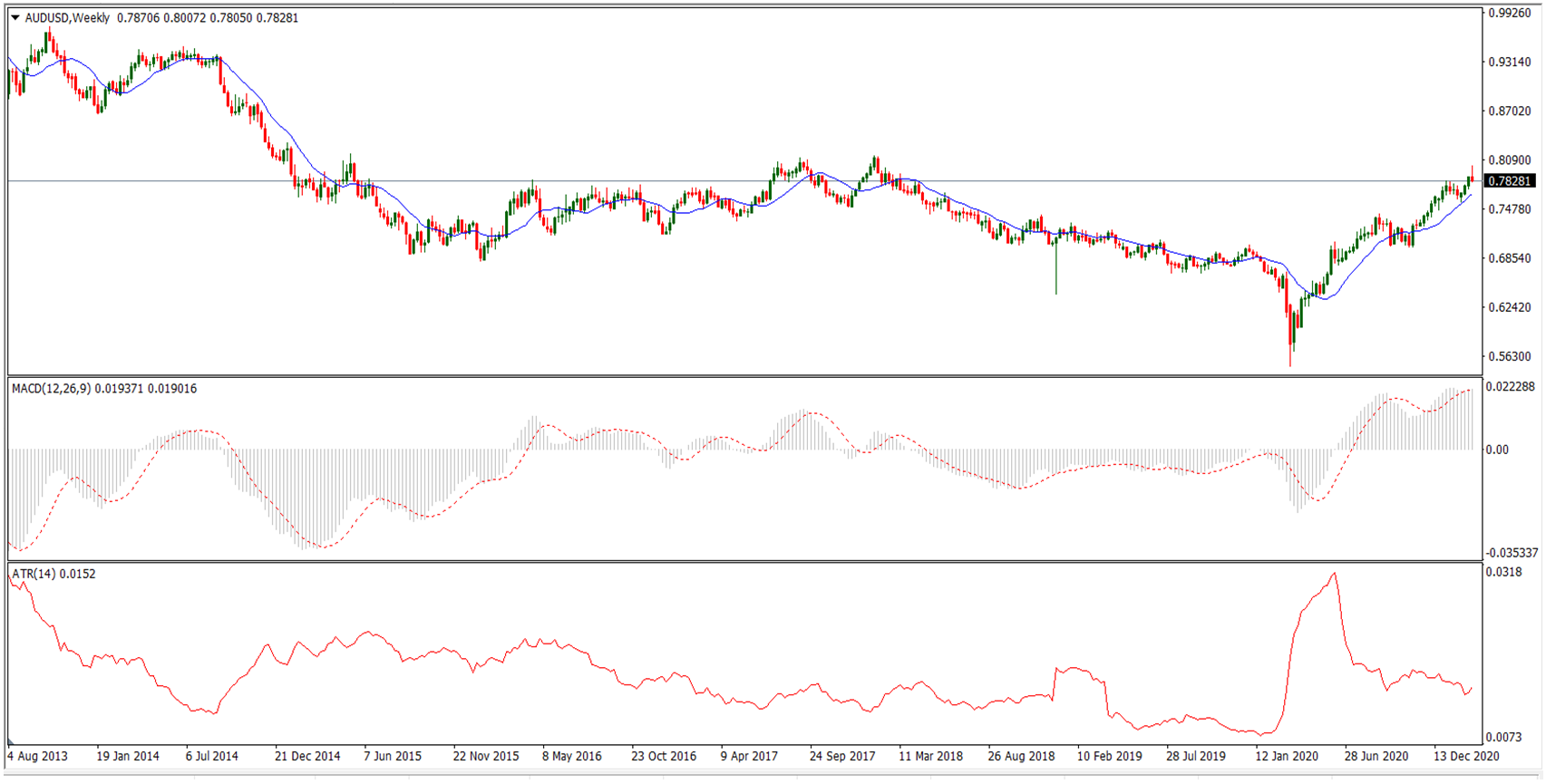
The above chart we are looking at the AUDUSD Weekly chart.
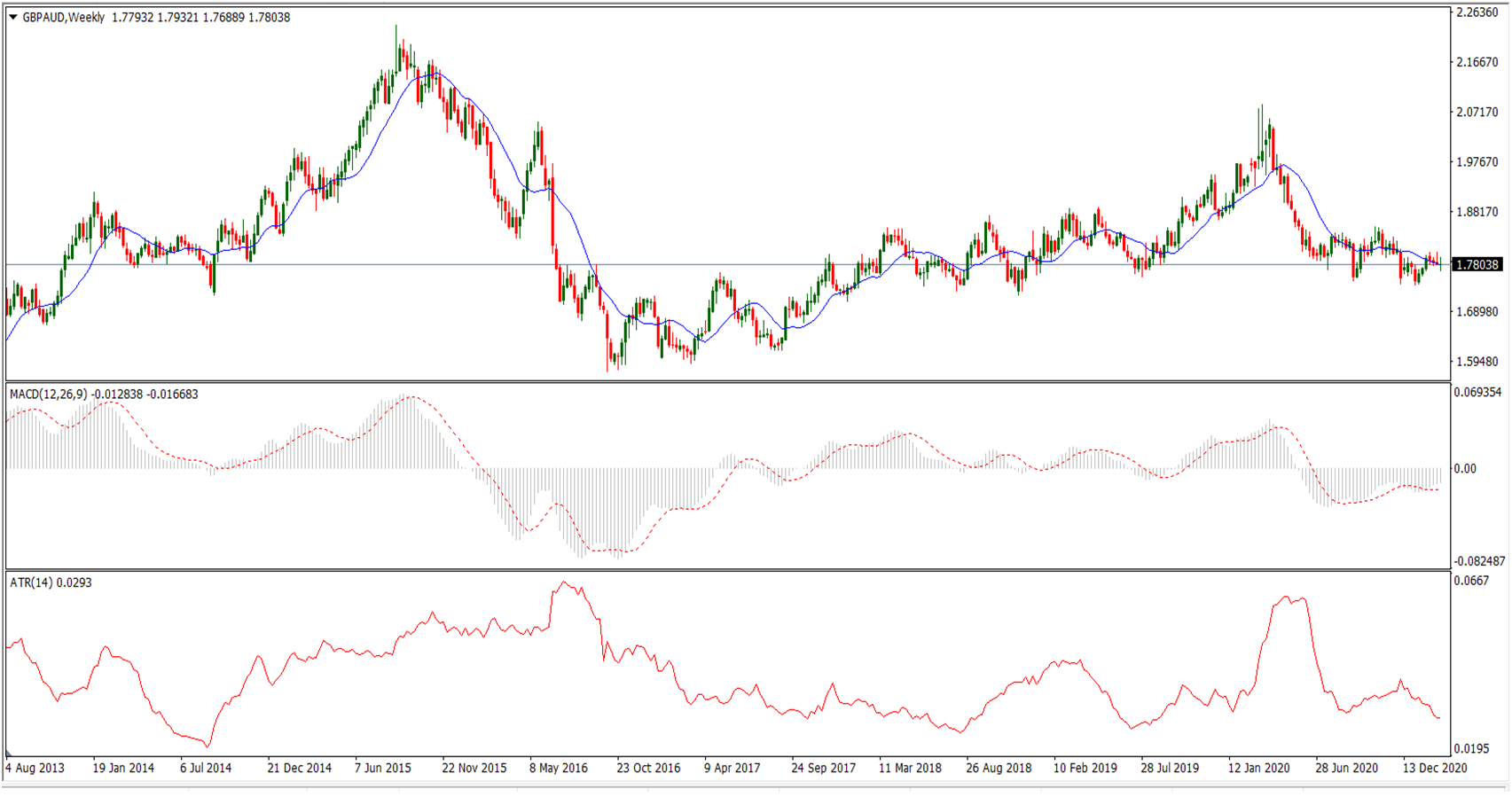
The above chart we are looking at the GBPAUD Weekly Chart
Thus start looking at pairs which are naturally more volatile, and will be less affected by the lack of ‘flow information’ shared by bank traders who are currently less active.
An additional suggestion would be to add other instruments, such as global indices and commodities. Gold and WTI Crude Oil will also offer some greater volatility. So consider and expanding your instruments giving you multiple options to trade.
Trading Tips 2: Spend More Time Training

Since you are naturally less active during the summer months, why not use that time to build your trading skill set? Forget the idea of walking away when there are no trades to play golf, watch a movie, or read a book. You want to be a professional trader who has the freedom of working from home, not having a boss who tells you what to do, what to wear and how much you get paid.
Do you get better at golf by sitting on the beach? Do you get better at playing guitar by reading novels? Do you get better at martial arts by playing video games? No, so why in the world do you think this applies to trading? It doesn’t, hence take advantage of the time available.
As you may learn over time, nothing beats experience, and if you want to learn forex trading, experience is the best teacher. A fundamental thing you may learn through experience, that no amount of books or talking to other traders can teach, is the value of closing your trade and getting out of the market when your reason for getting into a trade is invalidated.
It is very easy for traders to think the market will come back around in their favor. You would be surprised how many traders fall prey to this trap and are amazed and heartbroken when the market only presses further against the direction of their original trade. So take advantage of the Summer Time.
Conclusion
The best way to keep current on the direction and strength of your correlation pairings is to calculate them yourself. This may sound difficult, but it’s actually quite simple. To be an effective trader and understand your exposure, it is important to understand how different currency pairs move in relation to each other. Some currency pairs move in tandem with each other, while others may be polar opposites. If we’re talking actual learning of the practice, then you are never fully finished. I really think you shouldn’t be comparing your journey with someone else’s. That is one common mistake made by many traders. Comparing the time it took for someone else to get the hang of it or copying a strategy that’s working for someone else is a bad way to approach the market. It leads to frustration and discouragement. Emotions get involved and that’s never a good thing.
Events are ultimately unpredictable but not uncommon during the Summer months. Most traders will reduce trade volume, order size and tighten their stop loss levels to avoid any surprises. More experienced and confident traders will seek to take advantage of these unusual market moves but it does take a lot of skill, a little luck and involves significant risk. Investment and trading should not be done emotionally and also not in comparison with someone else. This is because people have their individual strengths and weaknesses and they use those to formulate their trading strategies. Your temperament and style will not be exactly like someone else’s and so it’s a bad move to rely on doing what they’re doing.
Happy Trading!!